ATL SECTOR · OPS ACTIVE ACCESTURA LLC · ATLANTA GA
Industries we serve
Different sectors, different constraints. We adapt the same disciplined access model to the rules that apply to you.
SECTOR ATL · FL 340 · TRAFFIC 18
COORD ACC/ATL · INDUSTRIES · SECTOR SHEET
One model, sector-shaped
REF ACC-IND-1100OWNER Practice OfficeGEO United States
Our method is constant, but the constraints are not. A hospital, a bank and a manufacturer all need controlled
remote access, yet each faces different regulators, different operational rhythms and different tolerances for
interruption. We start every engagement by writing down the rules that actually govern your industry, and the
access design is shaped around them.
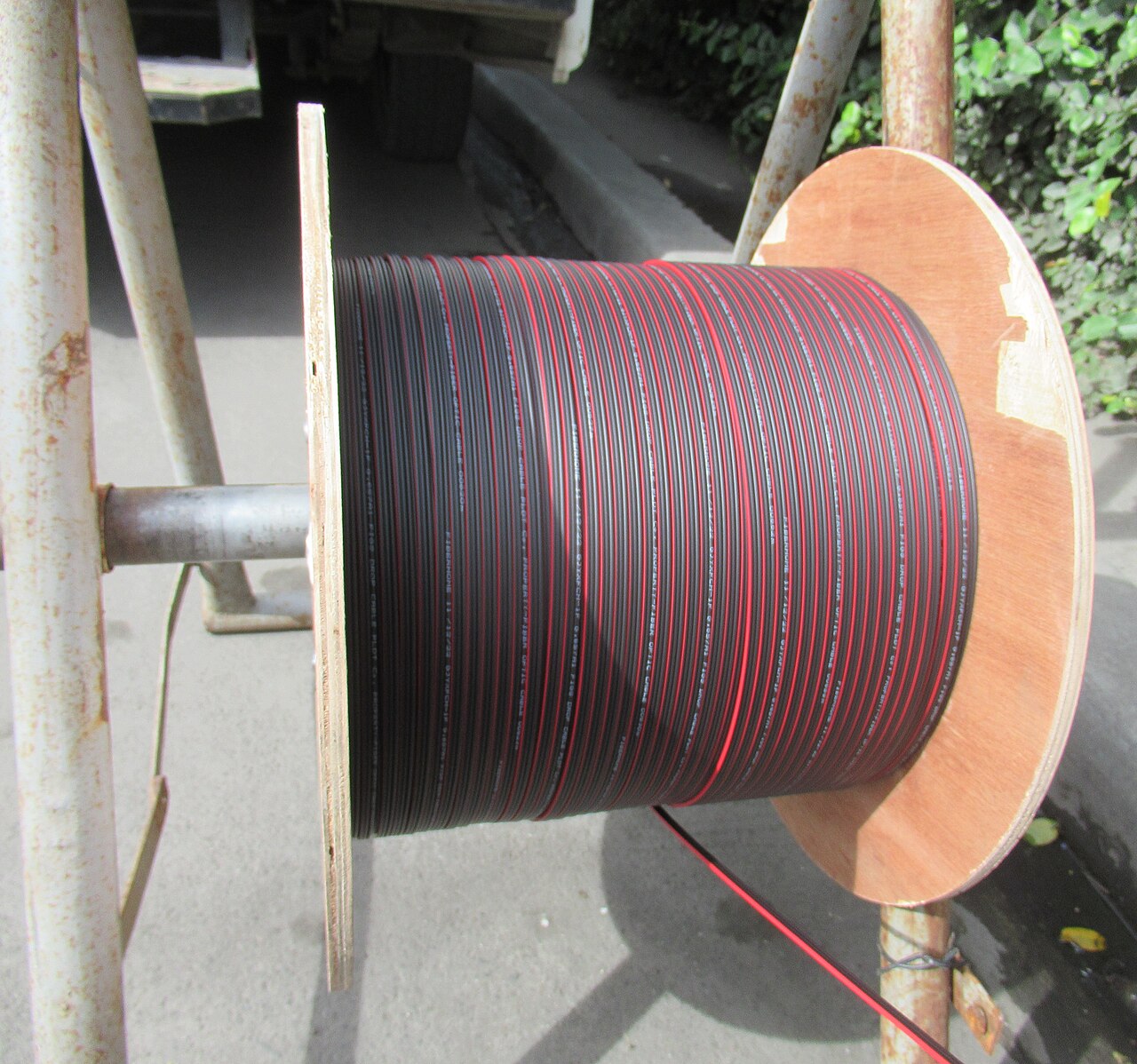
FIG 6 · The physical estate is as much a part of the access model as the policy.
Examiner scrutiny, third-party oversight and segregation of duties. Administrative reach is time-boxed and
recorded, and every rule carries the evidence an examiner will ask for.
Healthcare
Clinical availability above all, with strict handling of patient information. Access is designed so that care
teams keep working during change, and so that sensitive records are reached only through controlled paths.
Manufacturing and industrial
Operational technology that cannot be interrupted casually. We isolate plant networks thoughtfully, with the
minimal crossings maintenance genuinely needs and change windows agreed around production.
Legal and professional services
Client confidentiality and matter-based separation. Access follows the matter, and reach ends when the matter
does rather than lingering in a directory nobody prunes.
Higher education and research
Open collaboration beside sensitive research data. Zoning separates the two, and identity rules distinguish a
student, a researcher, a contractor and a visiting scholar.
Energy and utilities
Remote operations across dispersed sites, with vendor access to monitoring equipment. Third parties land in
their own zone and every crossing is brokered and logged.
Public sector and non-profit
Fixed budgets and public accountability. We scope tightly, document thoroughly and prioritise the changes that
remove the most risk per dollar.
Whatever the sector, four concerns repeat: who can reach the estate, how that reach is proven, how changes are
controlled, and how the model is shown to work at review time. Our work stream model answers all four, and our
reporting is written to be handed to an auditor, an examiner or a board without rewriting.
Not sure which constraints apply to you? Describe your environment in a
note to the practice office and we will tell you what we would look at first.
Two sectors come up often enough to describe the shape of the work. In financial services, a review usually
begins with who holds administrative reach and how quickly it is removed when a role changes, because that is
where examiners look first. In healthcare, it begins with clinical availability: we design so that a clinician at
a patient’s bedside is never the person affected by a change window, and so that sensitive records are
reached only through paths that are both controlled and quick. In both cases the underlying method is the same,
and only the constraints differ.
Whichever sector you sit in, the first meeting is the same. We ask what prompted the call, who owns access
today, and what an interruption would cost you, then we say plainly what we would look at first and roughly how
long it would take.